South Korea–China Relations: The Diplomatic and Cultural Road Ahead
A relationship under reconstruction
Three decades after Seoul and Beijing normalised relations in 1992, the bilateral relationship has matured into one of Northeast Asia’s most consequential — and most contested. South Korea is China’s third largest trading partner; China remains South Korea’s largest. Yet the political temperature has cooled markedly since the THAAD episode of 2016–17, and a new generation of South Korean voters now reads Beijing through a sharper, more sceptical lens.
Three forces shaping the next decade
1. Security alignment. Seoul’s deepening trilateral coordination with Washington and Tokyo — formalised at Camp David in 2023 — has structurally reframed how Beijing reads South Korean intent. Even a centre-left government in Seoul will inherit alliance commitments that limit how far the relationship can be reset.
2. Supply-chain decoupling. Semiconductors, EV batteries and critical minerals are no longer ordinary commerce; they are arenas of statecraft. South Korean conglomerates are quietly de-risking their China exposure while Beijing accelerates indigenous substitution. The economic floor under the relationship is being rebuilt with thinner concrete.
3. Public sentiment. Pew and Hankook Research surveys consistently show South Korean views of China at multi-decade lows, driven by air-quality grievances, the Hallyu restrictions, and online nationalism on both sides. Diplomacy can manage elites; it cannot easily move publics.
The cultural channel still matters
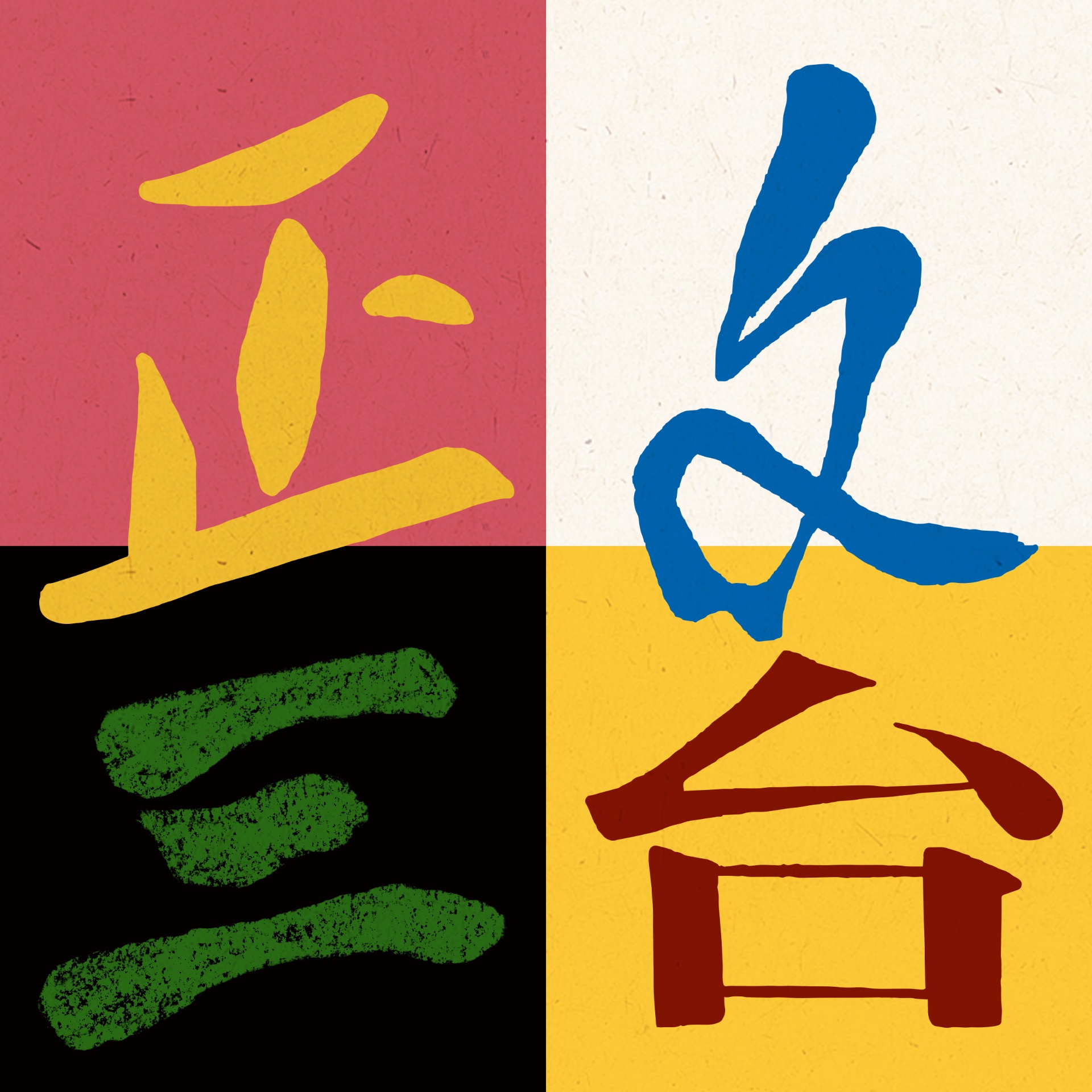
The most underrated lever in this relationship is cultural — and it cuts both ways. Korean drama, music and food remain enormously popular with Chinese audiences, even under informal restrictions. Chinese-language coverage of Korea, in turn, shapes how more than a billion readers understand the peninsula. Sustained, serious, Chinese-language analysis of Korea — the work I do on Zheng Wen San Tai (正文三台) — is not a substitute for diplomacy, but it is part of the connective tissue that keeps the relationship legible to ordinary people on both sides.
What to watch in 2026–2027
- Whether Seoul and Beijing restart the trilateral China–Japan–Korea summit cadence with substance, not just optics.
- How Beijing calibrates pressure during the next inter-Korean crisis — a barometer of strategic intent toward Seoul.
- The fate of the Korea–China FTA service-and-investment chapter, frozen since 2019.
- Visa, cultural-export, and student-exchange policies — the quietest but most telling indicators.
A modest forecast
The relationship will neither rupture nor return to its 2010s warmth. Expect a managed, transactional equilibrium: economic interdependence preserved where it cannot be unwound, friction normalised in security and technology, and culture quietly carrying more of the diplomatic weight than either capital is willing to admit. For analysts, journalists, and public communicators, the task for the next decade is unglamorous but essential — to keep translating, contextualising, and humanising a relationship that matters far beyond the two countries involved.